How To Calculate Your Body Fat Percentage?
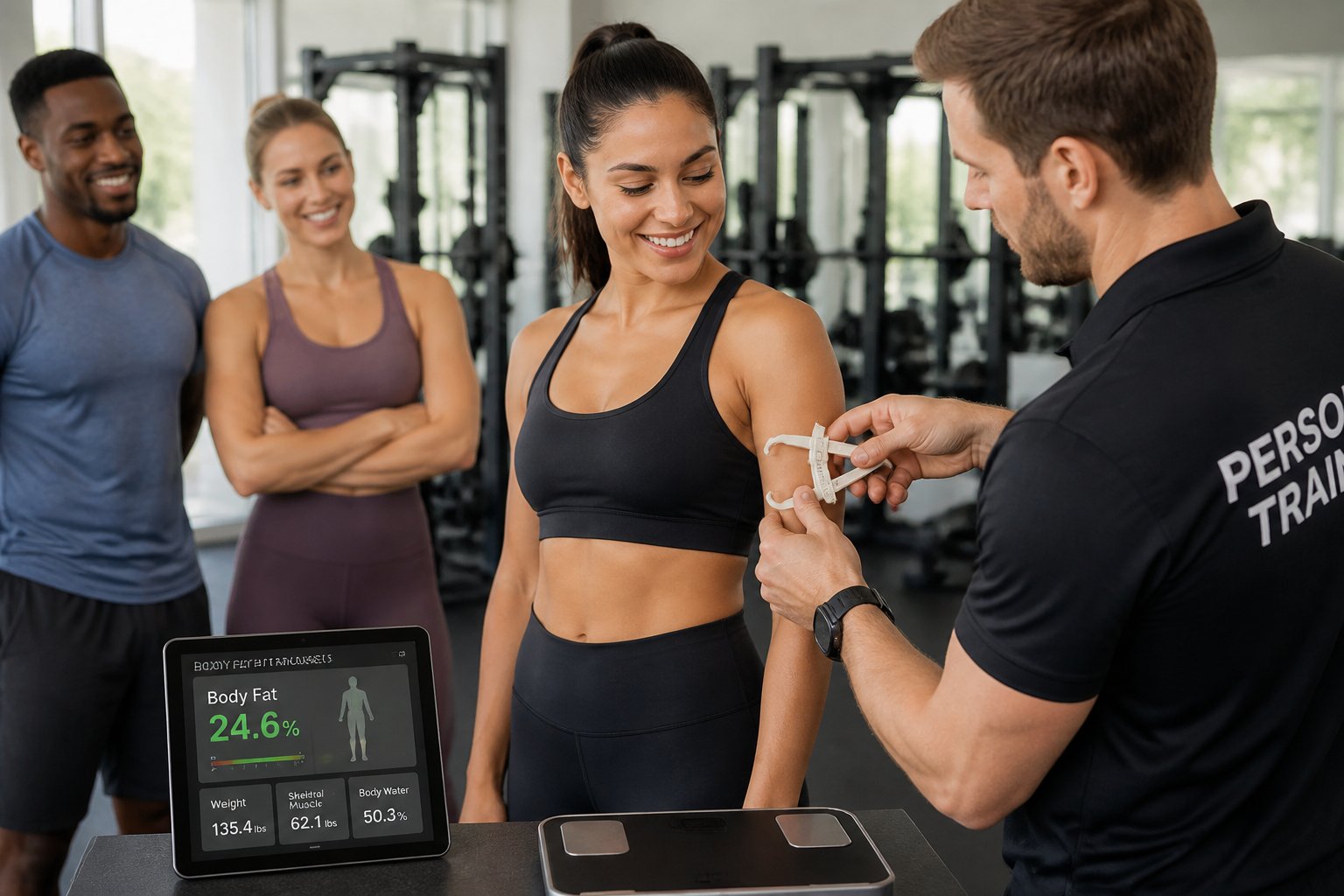
Body fat percentage tells you how much of your weight is fat against muscle, bone, and water. Two people can share a weight yet look and move worlds apart. That gap is why this number guides training and health better than the scale alone.
Curious about your number?
Try the Body Fat CalculatorThe US Navy tape method
Tape measurements drive the most popular method you can do at home, built by the US Navy. Men measure the neck and waist; women add the hips. Plug those into the formula with your height, and it returns a fat percentage close to a clinic estimate.
Other paths exist. Skinfold calipers pinch fat at set sites, while bioelectrical scales send a tiny current through the body. Each has quirks, yet the tape method needs only a soft measure and a minute.
How to measure well
Accuracy lives in the technique. Keep the tape level and snug, never digging in. Measure the waist at the navel, the neck just below the larynx, and the hips at the widest point. Take each reading twice and average them.
Morning works best, before food and water shift things. Stand tall, breathe normally, and relax the muscles you are measuring.
Healthy ranges
Targets differ by sex and age. Many men sit healthiest near 10 to 20 percent, while many women land around 18 to 28 percent. Athletes often run lower, though very low numbers carry risk, since some fat protects organs and hormones.
Compare your figure with partner tools for context. Check muscle through the FFMI Calculator, estimate lean body mass, and cross read the basics on the BMI Calculator. For a clear chart of norms, the American Council on Exercise helps.
Lowering body fat
Steady habits beat crash plans every time. Hold a modest calorie deficit set by your daily burn, keep protein high, and lift weights to guard muscle. Sleep and stress shape results too, so protect both. Run your own numbers anytime with the Body Fat Calculator.
Common measuring mistakes
Small errors throw the tape method off more than people expect. Pulling the tape tight compresses the skin and shrinks the reading, while a loose tape inflates it. Keep it level all the way around, and rest it lightly against the body. Measuring over thick clothing adds bulk that never belonged to you.
Timing matters too. Take readings in the morning, before food and water shift your shape, and breathe normally rather than sucking in. Repeat each spot twice, then average, since one rushed measurement can mislead.
Track the trend, not a single day. Body fat moves slowly, so check every two to four weeks under the same conditions. A steady fall over a month tells you far more than a flattering or harsh number on any one morning. Consistency turns a rough estimate into a useful guide.
Put simply, body fat percentage reveals what the scale keeps hidden. Two people at one weight can carry very different amounts of fat and muscle, and that gap shapes health and strength. Measure with a steady hand, track the trend over weeks, and pair the number with how you look, lift, and feel. Lean on a modest deficit, plenty of protein, and regular training to lower it without losing muscle. Used this way, the figure becomes a friendly progress marker rather than a source of daily worry.